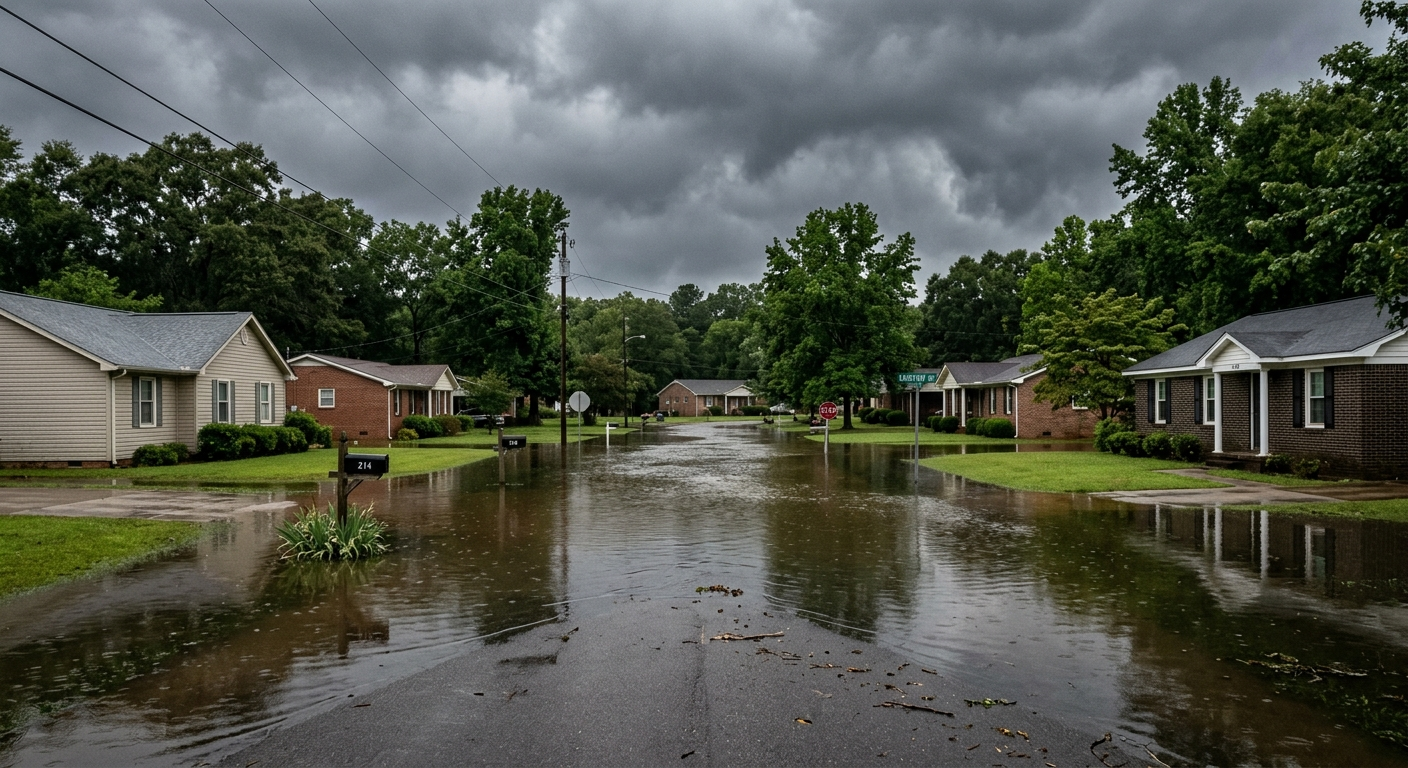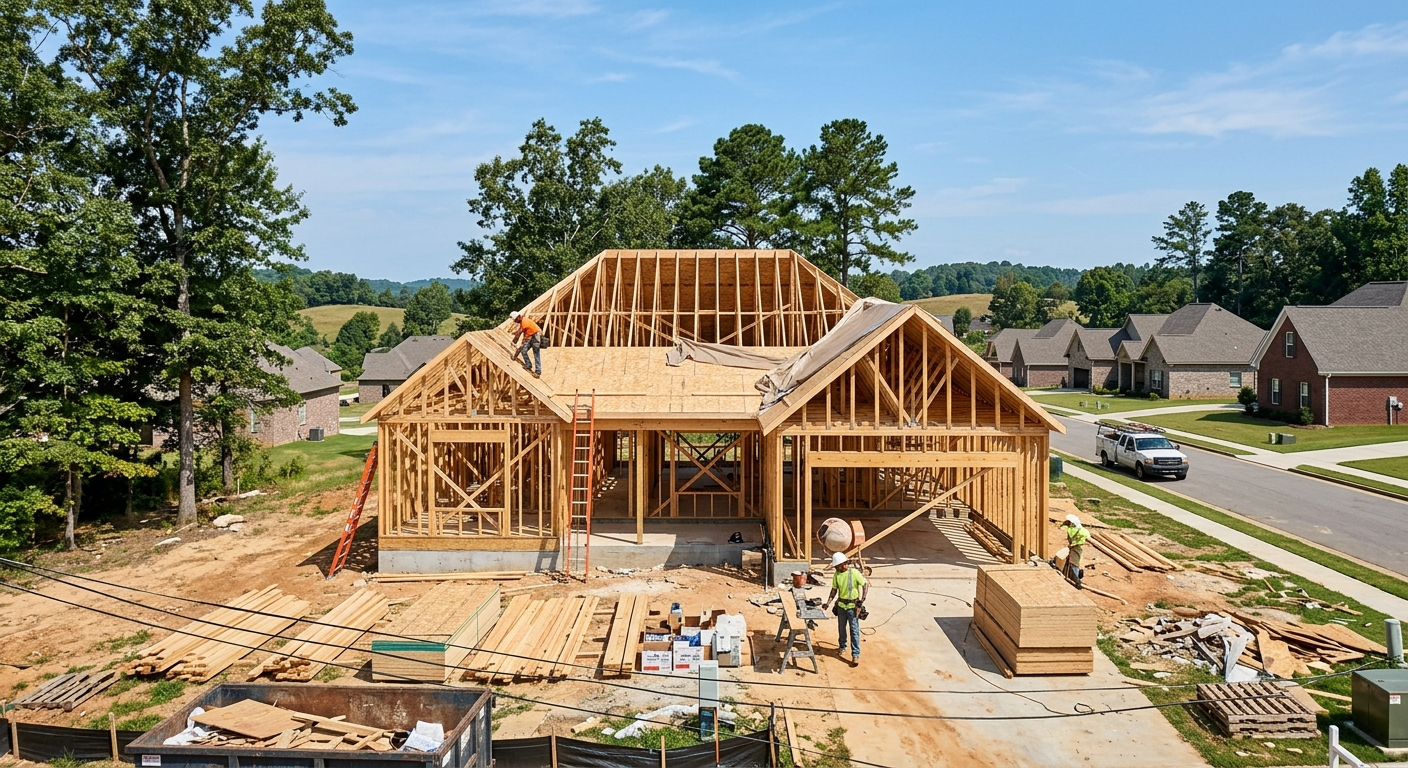


Hurricane season begins each year on June 1, and getting prepared early is one of the most effective ways to protect your home and family. Even if you live far from the coast, tropical systems can still bring destructive winds, flooding, and extended power outages well inland. Taking steps ahead of time helps reduce risk, limit damage, and keep you in control when severe weather approaches.
Below is a fully reimagined guide with the same information and structure as the original post, offering practical advice to help homeowners get ready before storms develop.
Build a Reliable Emergency Preparedness Kit
After a major storm passes, it may take several days for essential services like electricity, water, and emergency response operations to become fully functional again. A complete storm kit ensures your household can meet basic needs without outside assistance.
Your emergency supplies should be able to sustain every member of your home for multiple days. Keep enough food, clean water, and medications on hand to get through several days without access to stores. A commonly recommended guideline is one gallon of water per person per day.
In addition to your core necessities, consider rounding out your kit with the following items:
- Flashlights with spare batteries, along with a battery-operated or hand-crank radio
- Personal hygiene items and sanitation supplies
- Basic first-aid essentials and important medical materials
- Baby care items such as formula, wipes, and diapers, if needed
- Food, medicine, and carriers for household pets
- Comfort items for children, including small blankets or toys
- Portable power banks or backup phone chargers
- Weather-appropriate clothing and extra outfits
- Some cash on hand in case card systems go offline
- Copies of critical documents stored in waterproof containers
Stocking these supplies in advance helps you avoid the last-minute rush and gives your family what it needs right away if conditions worsen.
Protect Important Documents and Valuables
Preparing for hurricanes also means guarding your most important paperwork and sentimental items. Many documents are expensive or extremely difficult to replace, so safeguarding them ahead of time is essential.
Examples of documents and valuables worth protecting include birth and marriage certificates, wills and estate documents, passports, personal identification, financial statements, medical information, and insurance policies. Treasured items such as heirlooms, jewelry, and family photos also deserve extra care.
To keep your documents secure, make sure to:
- Create electronic copies and save them in a secure online location or on an encrypted external device
- Store original paperwork in airtight, waterproof containers or well-sealed bags
- Keep important items on upper shelves or higher floors to help reduce flood risk
- Take photos or videos of your belongings for insurance purposes
- Maintain a simple inventory of major possessions and estimated values
Having clear documentation before hurricane season starts can make the claims process more manageable if your home experiences damage.
Strengthen and Prepare Your Home Before a Storm
High winds and intense rain can severely damage homes that are not properly secured. Taking action early helps minimize potential hazards and increases overall safety during a storm.
Trim overgrown limbs and remove dead branches well before a storm watch is issued. Once a hurricane watch is announced—usually around 48 hours before expected tropical-storm-force winds—focus on quick tasks like removing loose outdoor items rather than major yard work.
Additional steps to protect your home include:
- Clearing gutters and downspouts to promote proper water flow
- Bringing patio furniture and outdoor décor indoors or securing them tightly
- Checking that windows, doors, and weather stripping are sealed properly
- Confirming that garage and exterior doors are reinforced
- Inspecting your roof from ground level with binoculars rather than climbing
- Moving cars to higher ground and away from trees
When a hurricane warning is issued—typically 24 to 36 hours before impacts—finish your final preparations. Top off your gas tank, unplug sensitive electronics, and keep your important paperwork sealed and ready in case evacuation becomes necessary.
Create a Clear Evacuation Plan
If local authorities issue an evacuation order, it is crucial to leave as soon as possible. Delays can result in traffic backups, fuel shortages, and limited access to safe routes.
Start by determining whether your home is in an evacuation zone. Map out your primary travel route and identify an alternate option if the main roads become impassable. Decide where you plan to stay—whether with relatives, friends, or at a designated shelter.
A strong communication plan is equally important. Write down essential contact numbers, store them in several locations, and make sure everyone in your household knows how to reconnect if separated.
Always remember: do not attempt to drive through flooded streets. Even shallow water can disable a vehicle or carry it away. Planning ahead ensures you can respond quickly and safely.
Review Your Homeowners Insurance Coverage
One step many homeowners overlook is reviewing their insurance policy before hurricane season reaches its peak. Not all storm-related damage is covered under a standard policy, so it’s important to know what protection you actually have.
Before severe weather threatens your area, take time to confirm the following:
- Whether wind damage is included in your homeowners policy
- Whether you have flood insurance, since it is usually purchased separately
- Whether your coverage limits match current rebuilding costs and property values
Because flooding is one of the most common sources of hurricane damage—and is often excluded from standard homeowners coverage—reviewing your policy ahead of time gives you the opportunity to make any needed changes.
It’s also helpful to understand your deductible details, temporary housing coverage, and the claims process. Clarifying these items now will make recovery easier if your home is affected by a storm.
Hurricane Risks Extend Beyond the Coast
Although coastal regions receive the most attention during hurricanes, inland areas are still vulnerable. Heavy rainfall, tornadoes, extended electricity outages, and infrastructure disruptions can occur far from where a storm makes landfall.
Preparing ahead isn’t about overreacting—it’s about reducing uncertainty. When your supplies are in place, your documents are safe, your home is reinforced, and your insurance is up to date, you are better equipped to stay calm and make informed decisions when storms develop.
Take Action Before the Next Storm Forms
Getting ready for hurricane season doesn’t have to feel overwhelming. Start small by updating your emergency kit, documenting your belongings, reviewing evacuation plans, and checking your insurance coverage.
If you need assistance reviewing your homeowners or flood insurance before peak storm season, our team is ready to help. Reach out to schedule a policy review and ensure your home and family are protected long before the next storm approaches.