

RV insurance in Alabama: what every rig owner needs to know
Whether you're hauling a fifth wheel down to Gulf Shores for the weekend or living full-time in a Class A motorhome parked outside of Decatur, RV insurance in Alabama works very differently from a standard auto policy. Many Alabama RV owners discover this only when a claim gets denied or when they realize their coverage left a gap the size of Wheeler Lake. The sections below cover the real coverage options, what Alabama law actually requires, and how to match the right policy to your specific rig.
How Alabama law treats RV insurance
Alabama does not have a single, blanket RV insurance law the way it does for passenger vehicles. What applies to you depends entirely on the type of RV you own.
For motorized RVs (Class A, Class B, and Class C motorhomes), Alabama's minimum auto liability requirements apply because these vehicles operate on public roads. The state minimum is 25/50/25 : $25,000 per person for bodily injury, $50,000 per accident for bodily injury, and $25,000 for property damage. Those minimums are thin. A serious accident involving a 40-foot diesel pusher can generate liability claims that blow past those limits quickly.
For towable RVs (travel trailers, fifth wheels, pop-up campers), there is no separate Alabama licensing or insurance requirement. Liability typically falls under the tow vehicle's auto policy while on the road. That does not mean a trailer needs no coverage of its own, though. Physical damage to the trailer itself is not covered by your truck's policy.
If you park your RV seasonally at a campground in Cullman or Morgan County, standard auto coverage also does nothing to protect the rig while it sits idle.
The main types of RV coverage to consider
A solid RV policy is built from several coverage components. Not every owner needs every piece, but understanding what each does helps you decide what to skip.
Liability coverage
Covers bodily injury and property damage you cause to others while operating your motorhome. For most motorhome owners, carrying $100,000/$300,000 or higher in liability is a much smarter starting point than Alabama's bare minimum. RVs are large, heavy vehicles, and accidents can be severe.
Collision coverage
Pays to repair or replace your RV after a crash, regardless of fault. A new Class A motorhome can cost anywhere from $100,000 to $400,000 or more , so dropping collision to save a few hundred dollars a year rarely makes financial sense unless the RV is old and low in value.
Comprehensive coverage
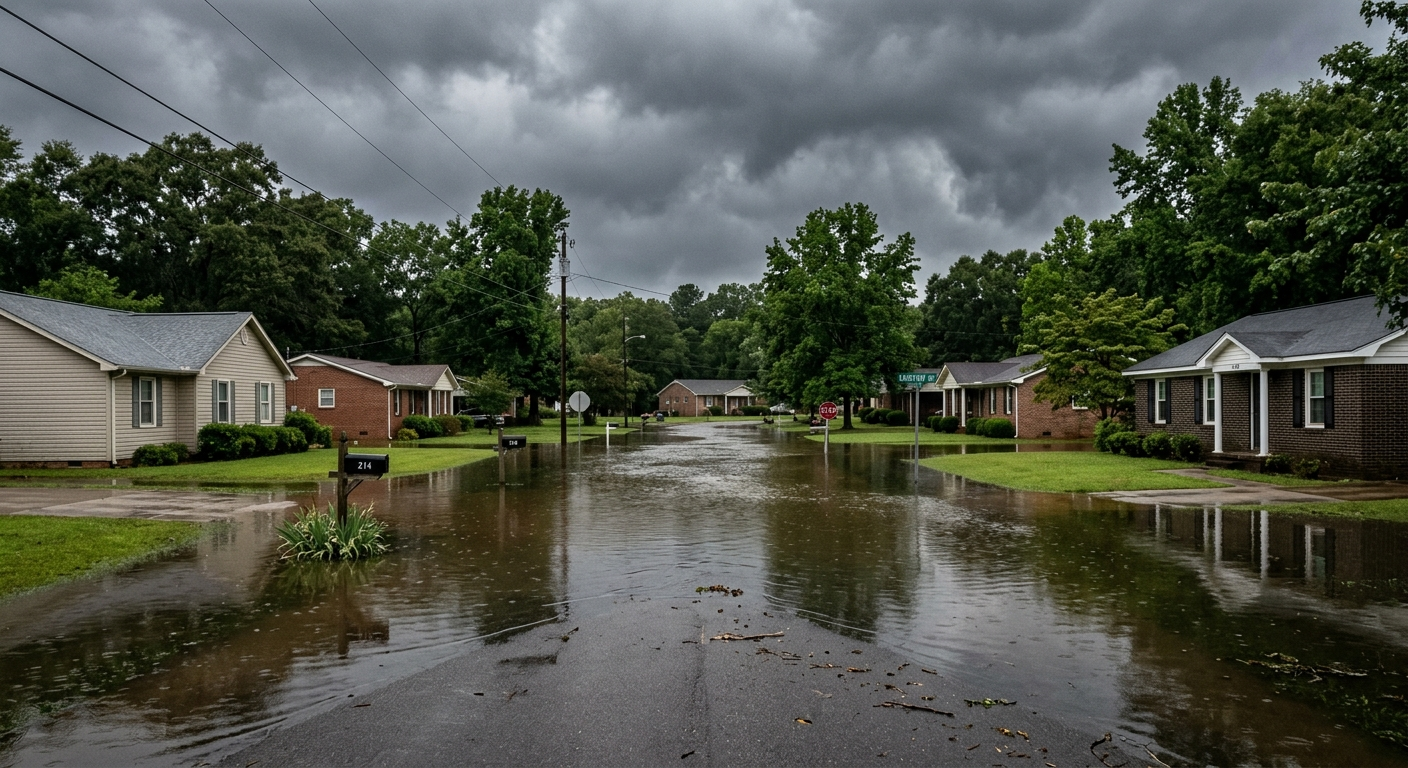
Covers non-collision losses: theft, fire, vandalism, falling trees, hail, and flooding. North Alabama gets its share of severe weather, and comprehensive coverage is what protects your rig when a tornado or hailstorm tears through a campground. If you store your RV outdoors near Hartselle or Athens, this is not coverage to take lightly.
Uninsured and underinsured motorist coverage
Alabama has a high rate of uninsured drivers. If an uninsured driver hits your motorhome and leaves the scene, UM/UIM coverage is what makes you whole. It is available in Alabama and worth adding.
Personal belongings coverage
Standard auto policies do not cover the contents inside your RV. Personal belongings coverage protects clothes, electronics, kitchen equipment, and anything else you bring along. For full-timers, the value of personal property stored in an RV can be substantial.
Vacation liability
When your RV is parked and functioning as temporary living quarters at a campsite, you face liability exposures that differ entirely from driving. Vacation liability covers bodily injury or property damage that happens around your parked rig. It works like a small homeowners liability policy for the campsite.
Emergency expense coverage
If your RV breaks down or is damaged far from home, emergency expense coverage can pay for lodging, meals, and transportation while repairs are made. For anyone spending weeks on the road, this is a genuinely useful add-on.
Full-timer coverage
If you live in your RV more than 150 days per year , a standard RV policy may not fully cover you. Full-timer policies are structured more like homeowners insurance combined with auto liability. They cover personal liability, loss of use, medical payments to others, and personal property on a broader basis. If your mailing address is your RV, tell your agent that upfront.
Towable vs. motorized: why the distinction matters
The biggest mistake Alabama RV shoppers make is assuming one type of RV policy covers everything. Here is how the two main categories break down in practical terms.
Motorized RVs (Class A, B, and C)
These are self-propelled and require their own dedicated insurance policy that includes liability, collision, comprehensive, and any other endorsements. Your existing personal auto policy does not automatically extend to a motorhome. Most insurers write motorhome coverage as a separate policy.
Towable RVs (fifth wheels, travel trailers, pop-ups)
The tow vehicle's liability coverage typically extends to a trailer while it is being towed, but only for liability. Physical damage to the trailer itself requires a separate trailer insurance policy or an endorsement added to your auto policy. A $60,000 fifth wheel being pulled by your F-250 has zero collision or comprehensive protection under your truck's policy unless you specifically added that coverage.
Many families in the Tennessee Valley buy a travel trailer and assume they are fully covered because they have auto insurance on their truck. They are not. It is one of the most common coverage gaps we see, and it is completely avoidable.
Factors that affect your RV insurance cost in Alabama
Rates vary widely depending on your specific situation. These are the main variables that move the needle on what you will pay.
- RV type and value. A Class A diesel pusher worth $300,000 costs significantly more to insure than a $15,000 pop-up camper.
- How often you use it. Full-timers pay more than weekend users. Seasonal storage riders can reduce costs if you park the rig from November through March.
- Your driving record. Accidents and violations raise your rate just like they do on a personal auto policy.
- Storage location. A rig stored at a secured, covered facility in Decatur costs less to insure than one parked in an open driveway exposed to weather and theft.
- Chosen deductibles. Higher deductibles lower your premium. A $1,000 deductible versus a $500 deductible can make a meaningful difference on a comprehensive or collision claim.
- Coverage limits and endorsements. The more coverage you add, the higher the premium. The right endorsements often cost less than people expect, though.
- Carrier. Different insurers price RV risk very differently. Working with an independent agent who can shop multiple carriers is the most reliable way to find competitive rates without sacrificing coverage.
Common coverage gaps to watch for
RV insurance has more potential gaps than most people realize. These are the ones Alabama owners run into most often.
- Attached accessories. Awnings, satellite dishes, solar panels, and slideout rooms are often not included in base coverage. Confirm whether your policy covers attachments and at what value.
- Campsite liability. Your auto liability does not cover you when you are parked. Vacation or campsite liability is a separate add-on.
- Mold and mechanical breakdown. Most RV policies exclude mold damage and mechanical failures. These are maintenance issues, not insurable events. Keeping up with your rig matters.
- Agreed value vs. actual cash value. Some RV policies pay out actual cash value after depreciation. An agreed value policy locks in a set payout amount upfront. For newer rigs, agreed value coverage is typically worth pursuing.
- Total loss replacement. If your new RV is totaled in its first few years, some policies offer total loss replacement at the original purchase price rather than depreciated value. On a high-value unit, that difference can be significant.
If you also own a boat or personal watercraft that you tow alongside the RV, those will need their own coverage as well. You can take a look at the boat insurance options available through Akin and Associates to get a sense of how specialty vehicle coverage works more broadly.
RV insurance and Alabama weather: a real concern
Alabama sits in a region where severe weather is a regular reality. Tornadoes, severe thunderstorms, and hail are not rare events, particularly in North Alabama's Tennessee Valley corridor. The question is not whether a storm will hit the area but whether your rig is protected when it does.
Comprehensive coverage is what pays when hail punches through your roof, a tornado sends a tree through your slideout, or flash flooding soaks your interior at a campground near the Sipsey Fork. The cost of comprehensive coverage relative to a potential repair bill is almost always favorable. A hail claim on an RV roof can easily run $5,000 to $20,000 depending on the damage and the size of the unit.
If you want to understand more about how Alabama weather events affect property insurance decisions, the post on tornado insurance coverage in Alabama covers the topic in useful detail.
How to get the right RV policy
Shopping for RV insurance on your own is frustrating because not every carrier writes RV policies, and the ones that do price them very differently. The coverage options also vary enough that comparing two quotes side by side without knowing what to look for can lead you to the cheaper-looking policy that actually leaves you exposed.
A practical approach:
- Know your rig's current value. Get a realistic sense of what your RV would cost to replace. NADA Guides and RV Trader listings can help establish current market value.
- Document your contents. If you carry significant personal property in your RV, photograph it and keep a list. This makes a personal belongings claim far easier to settle.
- Be honest about use. Tell your agent how many days per year you use the RV and whether you ever live in it for extended periods. Misrepresenting use can give an insurer grounds to deny a claim.
- Ask about discounts. RV club memberships, multi-policy bundling, safety course completion, and storage facilities all commonly generate discounts depending on the carrier.
- Review annually. RV values change. Coverage limits that were appropriate two years ago may be too low if you have made upgrades, or too high if the rig has depreciated. Check in with your agent each year.
For a broader look at the personal insurance options available to Alabama residents, the personal insurance page lays out the full range of specialty and standard coverage Akin and Associates can help you piece together.
Get the right RV coverage with help from Akin and Associates
Akin and Associates is an independent insurance agency serving North Alabama communities including Decatur, Hartselle, Athens, Huntsville, Cullman, and the surrounding areas. As an independent agency, they are not locked into one carrier's products. They shop multiple insurers to find coverage that fits your specific RV, your budget, and how you actually use the rig.
Whether you own a Class A motorhome, a travel trailer you take out on summer weekends, or a fifth wheel that doubles as your primary residence, the right policy exists. The goal is finding it before you need to file a claim, not after.
Call (256) 355-8500 or visit the contact page to talk through your RV insurance options with a local agent who knows Alabama risks and can compare carriers on your behalf. Getting the right coverage does not have to be complicated when you have an expert doing the shopping for you.