

Commercial auto vs. personal auto insurance: why the difference matters
If you use a vehicle for work, the line between commercial auto and personal auto insurance is one of the most important distinctions in all of P&C coverage. Get it wrong, and a single accident could leave you with a five-figure repair bill, a denied claim, and a lawsuit with no coverage in sight. Whether you run a landscaping crew in Decatur, make deliveries out of Huntsville, or drive to client meetings across North Alabama, understanding which policy actually covers you is not optional.
What personal auto insurance does (and does not) cover
Personal auto insurance is designed for everyday, non-commercial use. It covers commuting, running errands, driving the kids to school, and road trips. Standard personal policies in Alabama must meet the state's minimum liability limits: $25,000 per person / $50,000 per accident for bodily injury , and $25,000 for property damage . Most drivers carry more than that, but the baseline is set by law.
Where personal policies fall short is the moment a vehicle crosses into business territory. Carriers write personal policies with personal risk in mind. The underwriting, the premiums, and the exclusions all reflect a driver who uses the vehicle for personal purposes. When business use enters the picture, the risk profile changes, and most personal policy language addresses that with a hard exclusion.
Common situations where a personal policy will likely not pay out:
- Delivering goods for pay: courier runs, furniture delivery, or regular grocery delivery through an app.
- Transporting clients or employees: driving customers to a job site or shuttling workers counts as business use.
- Hauling tools or equipment: if the truck is loaded with contractor tools when the accident happens, expect scrutiny.
- Vehicles owned by a business entity: an LLC or corporation cannot be listed as a named insured on a personal auto policy.
The denial language varies by carrier, but the underlying principle is consistent: personal policies cover personal use. If you are unsure where your driving falls, read our post on how to choose the right auto insurance in Alabama for a broader look at coverage decisions.
What commercial auto insurance covers
Commercial auto insurance is built around business risk. It covers vehicles used to conduct business operations, whether they are owned by the business, leased, or personally owned but regularly used for work. The policy can be written to cover a single owner-operator truck or an entire fleet, and it can name the business entity as the insured rather than just the individual driver.
Coverages a commercial auto policy typically includes:
- Higher liability limits: commercial accidents often involve larger vehicles, more cargo, or more frequent driving, all of which can produce larger claims. Commercial limits are set to reflect that.
- Physical damage for business vehicles: comprehensive and collision coverage on vehicles titled to the business.
- Hired and non-owned auto coverage: protects the business when employees drive rented vehicles or their own cars on company business. This is available as a standalone endorsement or as part of a broader commercial auto policy.
- Uninsured/underinsured motorist coverage: especially relevant in Alabama, where uninsured drivers remain a real concern.
- Medical payments coverage: for injuries to the driver and passengers in a business vehicle.
Commercial policies can also be tailored to specific industries. A contractor's commercial auto policy looks different from a trucking company's policy, in terms of both limits and endorsements. Carriers underwrite the risk differently based on what the vehicle does, how many miles it logs, who drives it, and what it hauls.
The gray zones where business owners get caught
The most dangerous scenario is not the obvious one (a company van clearly used for deliveries). It is the in-between situation where a business owner genuinely does not know which policy applies. Here are the most common gray zones in North Alabama:
Using a personal truck for occasional business tasks
You own a pickup truck personally, and you use it to haul materials to job sites a few times a month. You pay for it personally and insure it personally. If you have an accident on the way to a job site, your personal carrier may deny the claim on the grounds that the vehicle was being used for business purposes at the time of the loss. "Occasional" does not protect you the way people think it does.
Employees using their own vehicles
If one of your employees runs an errand for the business in their own car and causes an accident, your business could face a liability claim. Their personal policy may not cover the business use, and without a hired and non-owned auto endorsement on your commercial policy, your business has no coverage either.
Rideshare-style or app-based delivery driving
Driving for a rideshare or delivery app creates its own coverage gap. Personal policies typically exclude this use. The app's own commercial coverage often applies only during active trips, leaving a window of exposure. Alabama drivers doing this kind of work should talk to an agent about the right policy structure.
Vehicles under an LLC with a personal policy
If the vehicle title is in your business name (even a single-member LLC), a personal policy will likely not be valid at all. Carriers write personal policies for individuals, not business entities. This mistake shows up regularly and costs business owners when a claim is denied.
How premiums compare between commercial and personal policies
Commercial auto insurance does generally cost more than personal auto coverage, and there are real reasons for it. Business vehicles tend to drive more miles. They are often driven by multiple drivers rather than just one or two household members. They carry cargo, tools, or passengers. The liability exposure in a commercial accident, particularly for larger vehicles or higher-mileage operations, is statistically higher than for a personal commuter vehicle.
That said, the cost difference varies widely. A sole proprietor who uses a sedan for occasional client visits might pay only modestly more for a commercial policy than a personal one. A small fleet of work trucks could run significantly higher, but that coverage is protecting real business assets. The cost of the right coverage is always lower than the cost of a denied claim.
Factors that affect commercial auto premiums in Alabama include:
- Number of vehicles and drivers: more drivers means more underwriting scrutiny.
- Driver records: moving violations and prior accidents affect commercial rates the same way they affect personal rates.
- Type of vehicle: a heavy-duty truck or specialty vehicle carries different risk than a compact car.
- Radius of operations: local routes versus long-haul driving affect how the policy is rated.
- Type of cargo or use: hauling hazardous materials or transporting people raises the risk and the premium.
Alabama-specific considerations for business owners
Alabama does not have a no-fault auto insurance system. It is an at-fault state, which means the driver who causes the accident is responsible for the resulting damages. For businesses, that means your commercial auto liability coverage is the backstop when one of your vehicles causes an injury or property damage to someone else. If your limits are too low, the business is on the hook for the remainder.
North Alabama's road conditions add to the picture. Decatur, Huntsville, Cullman, Athens, and the surrounding areas have seen significant growth in commercial traffic as the region's industrial and logistics sectors expand. More trucks, more intersections, more risk. Businesses operating vehicles along I-65, I-565, or Highway 72 corridors navigate heavy commercial traffic every day.
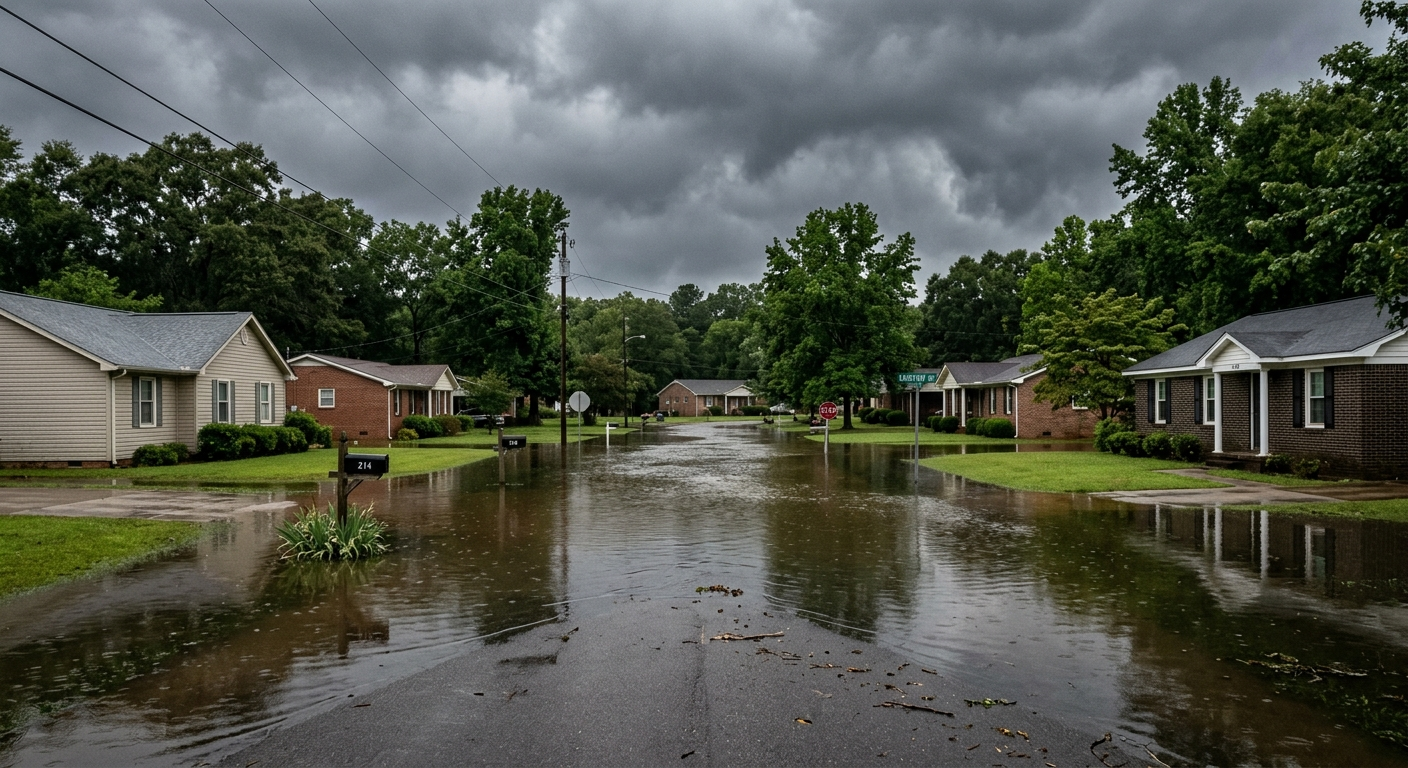
Alabama also has an active weather pattern, including severe spring storms and the occasional tornado. Commercial vehicles caught in hail or flooding need comprehensive coverage to recover quickly. If your business also carries commercial property or equipment, it is worth looking at how your overall coverage fits together. Our post on commercial insurance trends and tips has more context on how businesses are adjusting their coverage in the current environment.
Workers' compensation is a related consideration. If an employee is injured while driving a company vehicle in Alabama, the claim may touch both the commercial auto policy and your workers' comp coverage. Understanding how those two policies interact matters. For more on that, see our overview of Alabama workers' compensation requirements.
When a business owner's policy is not enough
Some small business owners assume their Business Owner's Policy (BOP) covers their vehicles. It does not. A BOP bundles general liability and commercial property into one policy, but it intentionally excludes auto liability. Vehicles need their own commercial auto policy. This is one of the most common coverage gaps we see with small businesses across North Alabama, and it is entirely avoidable with the right policy review.
If your business uses vehicles in any capacity, including rented vehicles and employee-owned vehicles used for work purposes, a standalone commercial auto policy (or at minimum a hired and non-owned endorsement) belongs in your coverage stack.
Get the right coverage for how you actually operate
At Akin & Associates , we are an independent insurance agency, which means we work with multiple carriers to find the policy that fits your actual situation, not just the easiest option to write. Whether you need a single commercial auto policy for a small business vehicle or a broader fleet program, we compare options across carriers to get you the right fit at a competitive price.
We serve businesses and families throughout North Alabama, including Decatur, Huntsville, Cullman, Athens, Hartselle, and the surrounding communities. If you are not sure whether your current auto coverage actually covers how you use your vehicles, that conversation is worth having before a claim forces it.
Reach out to us at (256) 355-8500 or contact us online to get a quote. We will take a look at your current policies and make sure there are no gaps you do not know about.