

What landlord insurance in Alabama actually covers for your rental property
If you own a rental property in Alabama, landlord insurance is one of the most important policies you can carry, and one of the most misunderstood. Many landlords assume their standard homeowners policy extends to a home they're renting out. It doesn't. Once you hand over keys to a tenant, the insurance carrier treats the property differently, and you need a policy built for that reality. Whether you own a single-family rental in Decatur, a duplex in Huntsville, or a small portfolio of properties across Morgan and Limestone counties, knowing what landlord insurance for Alabama rental property covers (and what it doesn't) can prevent a serious financial loss.
Why a homeowners policy won't protect your rental
Standard homeowners insurance is written for owner-occupied dwellings. The moment a tenant moves in and you're collecting rent, your insurer considers the risk profile of the property changed. If you file a claim on a rental property under a homeowners policy, the carrier can deny it outright, because renting to others is typically a material change in use that voids coverage.
Alabama landlords who discover this at claim time usually find out the hard way: a kitchen fire, a roof collapse after a severe storm, or a slip-and-fall lawsuit from a tenant. At that point, the gap between what you thought you had and what you actually have becomes very expensive, very fast.
A landlord insurance policy is designed specifically for non-owner-occupied residential property. It covers the structure, provides liability protection as a property owner, and can replace lost rental income when a covered loss makes the unit uninhabitable.
Core coverages in a landlord policy
Landlord policies vary by carrier, but most are built around three main coverage blocks. Understanding each one helps you know exactly what you're buying.
Dwelling coverage
This protects the physical structure of the rental property: the walls, roof, built-in appliances, plumbing, and electrical systems. If a covered peril damages or destroys the building, dwelling coverage pays to repair or rebuild it up to your policy limit. In Alabama, where severe thunderstorms, tornadoes, and hail are routine seasonal threats, making sure your dwelling limit reflects the actual replacement cost of the structure matters considerably. Underinsuring by even 20 percent can leave you writing a significant check out of pocket after a major loss.
If tornadoes are a concern for your rental property (and they should be anywhere in north Alabama), it's worth reading more about tornado insurance coverage in Alabama to understand how wind events interact with your policy language.
Liability coverage
As a landlord, you are legally responsible for maintaining a safe property. If a tenant, their guest, or a delivery person is injured on your rental property because of a condition you should have addressed, you can be named in a lawsuit. Liability coverage in a landlord policy pays for legal defense costs and settlements up to your policy limit.
Alabama does not cap landlord liability in a way that protects you from large verdicts. A slip-and-fall on an icy walkway , a dog bite from a tenant's pet on your property, a structural failure in a deck or staircase: any of these can generate a claim well into the six figures. Standard landlord liability limits start around $100,000, but many landlords carry $300,000 or more and pair that with a personal umbrella policy for additional protection above the base limit.
Loss of rental income (fair rental value)
If a covered loss makes your rental unit uninhabitable, you're not just dealing with repair costs. You're also not collecting rent while the unit sits empty. Loss of rental income coverage replaces the rent you would have collected during that period, typically for a set number of months or until repairs are complete, whichever comes first.
This coverage matters more than many landlords realize. A serious fire or tornado strike in Alabama can take a property out of commission for three to six months or longer. If your rental income is part of how you cover the mortgage on that property, a six-month gap is a real financial threat.
What landlord insurance typically does not cover
Knowing the exclusions is just as important as knowing the coverages. Standard landlord policies generally do not include:
- Tenant's personal belongings. Your policy covers the structure. The tenant's furniture, electronics, and clothing are their responsibility. This is why many Alabama landlords now require tenants to carry renters insurance as a lease condition.
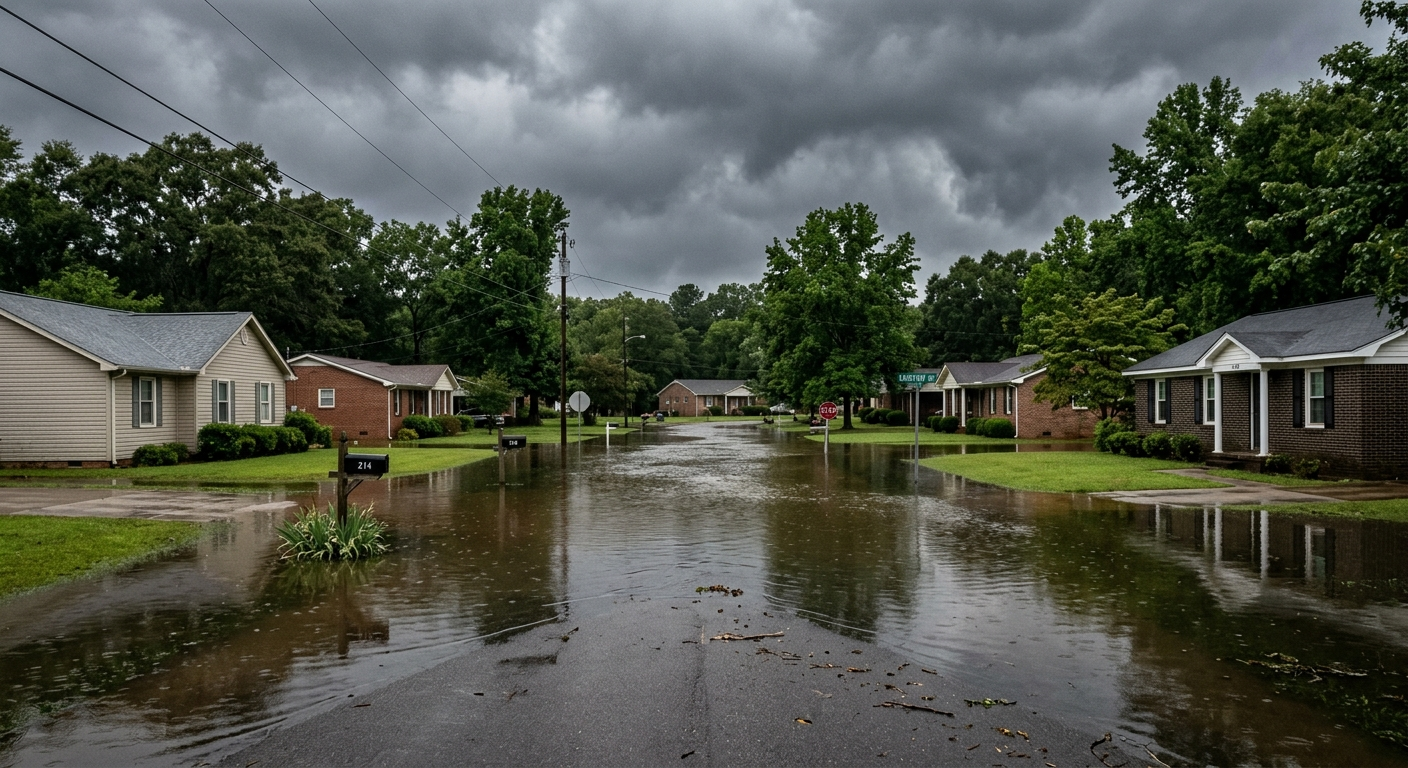
- Flood damage. Flooding is excluded from virtually all standard property policies, landlord or otherwise. Alabama has significant flood exposure, particularly in river-adjacent communities like Decatur along the Tennessee River. Flood coverage requires a separate policy through the NFIP or a private flood carrier. Learn more at the personal flood insurance page.
- Tenant-caused damage. Intentional damage by a tenant (vandalism, malicious destruction) may or may not be covered depending on your policy form. Some carriers offer it as an endorsement. It's worth asking about specifically.
- Normal wear and tear. Replacing carpet that wore out over five years of tenancy or repainting faded walls is a maintenance cost, not an insurable event. Insurance covers sudden, accidental losses, not gradual deterioration.
- Vacant properties. If your rental sits vacant for more than 30 to 60 days (the exact threshold varies by carrier), coverage may be suspended or voided. This is a common gap for landlords between tenants. A vacant property policy is available specifically for these periods.
Alabama-specific risks every landlord should factor in
Alabama's weather and geography create risks that make landlord insurance more than a formality. North Alabama sits in what climatologists call "Dixie Alley," a corridor that sees some of the most intense and frequent tornado activity in the country. The April 2011 tornado outbreak, which included an EF-5 that moved through Tuscaloosa and Birmingham, caused billions in property damage statewide. More recently, significant tornado events have touched communities throughout Morgan, Limestone, Cullman, and Marshall counties, areas where Akin and Associates serves landlords directly.
Beyond tornadoes, Alabama landlords should pay attention to:
- Hail damage. Hailstorms are frequent in the spring and fall. Roof damage from hail is one of the most common property insurance claims in the state. Make sure your dwelling coverage includes hail and that your policy pays at replacement cost, not actual cash value. Actual cash value subtracts depreciation and can leave you significantly short on an older roof.
- Flooding near the Tennessee River. Properties in Decatur, Hartselle, and surrounding communities near waterways face real flood exposure. As noted above, this requires a separate flood policy.
- Older housing stock. Many rental properties in Alabama's smaller towns and cities are older homes. Older electrical systems (knob-and-tube wiring, for example), cast-iron plumbing, and outdated HVAC systems create both higher claim frequency and potential coverage complications. Some carriers may require updates before they'll write the policy.
- Humidity and moisture. Alabama's climate makes mold a realistic concern. Most landlord policies exclude mold damage unless it results directly from a covered water loss. Staying on top of maintenance is both a coverage issue and a liability issue.
How landlord insurance is priced in Alabama
Landlord insurance in Alabama typically costs more than a standard homeowners policy because the carrier is pricing in the increased risk of a non-owner-occupied property. As a rough benchmark, landlord policies often run 15 to 25 percent more than a comparable homeowners policy on the same structure. Actual premiums depend on several factors:
- Property location. Proximity to flood zones, tornado-prone corridors, and fire station response times all affect your rate.
- Age and condition of the structure. Newer construction with updated systems typically qualifies for better rates.
- Dwelling replacement cost. A higher replacement cost means a higher premium, but underinsuring to save money is a false economy.
- Number of units. A four-plex is priced differently than a single-family rental. Some carriers draw a line at four units; above that, the property may need a commercial policy form.
- Claims history. Your history on this property and on other properties you own factors into underwriting.
- Deductible selection. A higher deductible lowers your premium but means more out-of-pocket when you file a claim. Many Alabama landlord policies have a separate wind and hail deductible, sometimes expressed as a percentage of the dwelling limit (for example, 1 or 2 percent of insured value) rather than a flat dollar amount.
Because landlord policies are not standardized the way auto insurance is, rates and coverage terms vary considerably across carriers. Working with an independent agency that can shop multiple carriers on your behalf gives you a real advantage here.
Short-term rentals: a separate category
If you're listing a property on Airbnb, VRBO, or a similar platform, a standard landlord policy almost certainly won't cover it. Most carriers treat short-term rentals as a commercial hospitality activity, and the guest turnover and liability exposure differ from a traditional long-term tenancy.
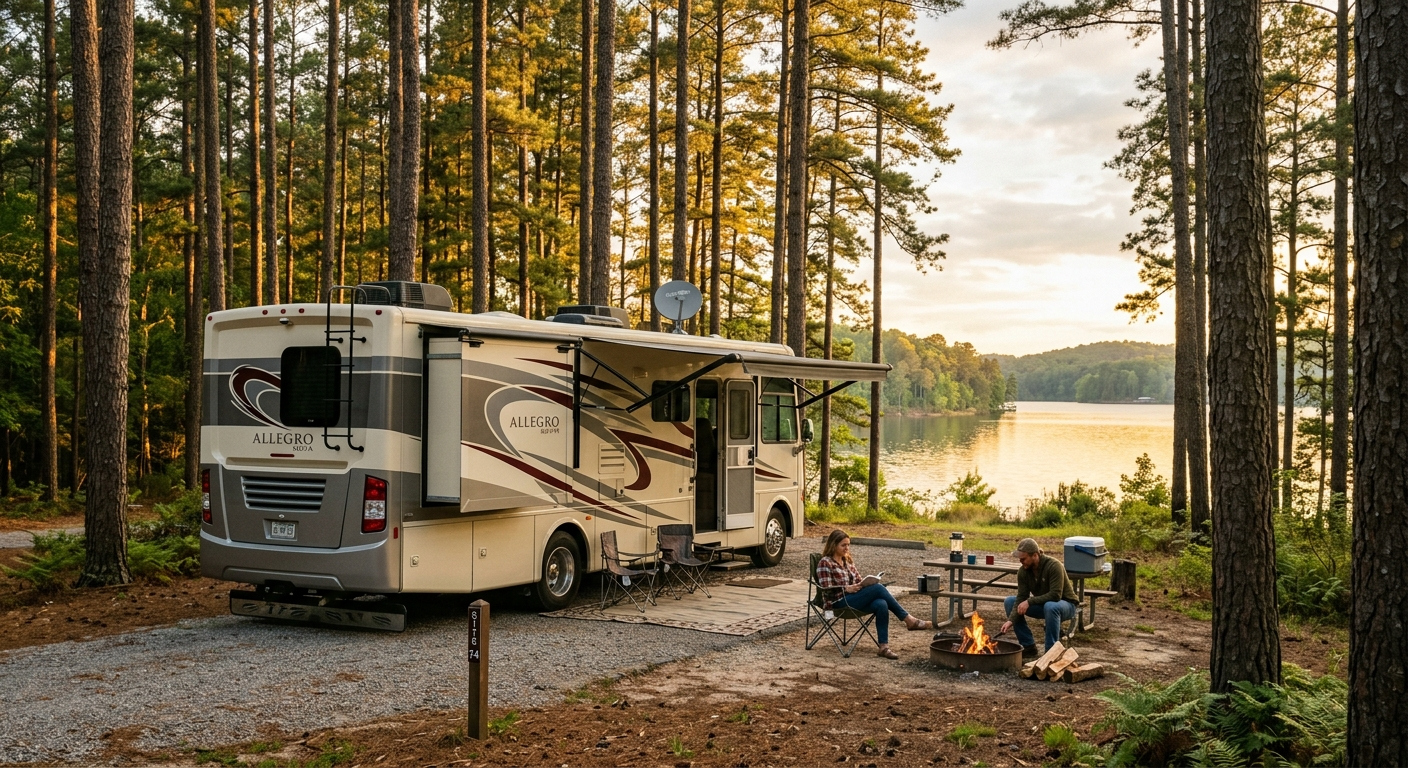
Alabama has seen strong growth in short-term rental activity, particularly in communities near Lake Guntersville, Wheeler Lake, and in the Huntsville metro as business travel demand grows. If you're in this space, you need a policy designed specifically for it. The short-term rental insurance page is a good starting point to understand your options.
Practical steps for Alabama landlords
A few things worth doing before or right after you place coverage:
- Document the property thoroughly. Walk through and photograph every room, every appliance, every system. Store those photos off-site (cloud storage works). If you ever need to file a claim, a visual record of pre-loss condition is enormously helpful.
- Require renters insurance in your lease. This protects your tenants and reduces friction when their belongings are involved in a loss. It also signals that you're a professional landlord.
- Review your dwelling limit annually. Construction costs in Alabama have risen sharply since 2020. A replacement cost estimate that was accurate two years ago may be understated today.
- Ask about flood specifically. Don't assume your agent asked. Ask directly: "Does this property need flood insurance?" Even properties outside mapped flood zones can flood, and flood is the one gap that can be truly catastrophic.
- Consider an umbrella policy. If you own more than one rental property or have personal assets you want to protect from a liability judgment, an umbrella policy stacking above your landlord liability limit is one of the most cost-effective ways to do it.
Get the right coverage for your Alabama rental property
Akin and Associates is an independent insurance agency serving landlords across north and central Alabama, including Decatur, Hartselle, Huntsville, Athens, Cullman, and the surrounding communities. As an independent agency, we're not tied to a single carrier. We compare coverage options and pricing across multiple companies to find a policy that fits your property and your situation.
Whether you own one rental home or a growing portfolio, we can help you put the right landlord insurance in place before you need it. Reach out online through our contact page or call us at (256) 355-8500 to talk through your rental property coverage. We're happy to review what you have now or start fresh with a new quote.